
The scientific foundation linking sleep quality to extended lifespan
The relationship between sleep and longevity isn't merely correlational—it's backed by robust scientific evidence from major research institutions worldwide. A groundbreaking study involving 172,321 adults revealed that men who achieve adequate sleep live approximately five years longer than those who don't, while women gain an additional two years of life.
Large-scale population studies, including research from the University of California at San Diego involving over one million participants, have consistently demonstrated a curvilinear relationship between sleep duration and mortality. The optimal range emerges clearly: individuals sleeping seven to eight hours nightly show the lowest death rates and highest survival prospects.
This U-shaped mortality curve reveals why both sleep extremes prove detrimental. Those sleeping fewer than seven hours face increased risks of cardiovascular disease, diabetes, and immune dysfunction. Conversely, individuals regularly sleeping more than eight hours show a 12% higher mortality risk within six-year periods compared to seven-hour sleepers.
Mayo Clinic research further validates these findings, demonstrating that even natural short sleepers—those thriving on five hours—represent rare exceptions rather than achievable goals for most adults. The scientific consensus is unequivocal: quality sleep within the optimal range serves as a fundamental pillar of longevity.
How sleep orchestrates cellular repair and biological age reversal
While you sleep, your body transforms into a sophisticated repair facility, orchestrating complex biological processes that directly counteract aging at the cellular level. Understanding these mechanisms reveals why quality sleep functions as nature's most powerful anti-aging intervention.
The brain's glymphatic system activates during deep sleep, expanding the spaces between brain cells by up to 60% to allow cerebrospinal fluid to flush away toxic waste products. This nightly detoxification process removes harmful proteins like beta-amyloid and tau, which accumulate during waking hours and contribute to neurodegeneration when left unchecked.
Simultaneously, hormonal restoration reaches its peak during sleep. Growth hormone secretion increases dramatically, particularly during slow-wave sleep phases, facilitating tissue repair, muscle recovery, and cellular regeneration. Testosterone production also surges during sleep, supporting everything from bone density to cognitive function. These hormonal cascades create the biochemical foundation for cellular renewal that cannot be replicated through waking hours.
Your immune system uses sleep time to strengthen its defenses, producing cytokines that target inflammation and infection while generating new immune cells. Memory consolidation processes simultaneously work to store important information and clear mental debris, optimizing neural pathways for enhanced cognitive performance.
Conversely, sleep deprivation accelerates aging through multiple pathways. Chronic sleep loss elevates cortisol levels, triggering oxidative stress that damages cellular DNA and proteins. This biochemical cascade impairs the body's natural repair mechanisms, leading to accelerated skin aging, compromised immune function, and increased inflammation markers that correlate directly with shortened lifespan and age-related disease progression.
Personalized sleep optimization strategies for maximum longevity benefits
Building upon the understanding of sleep's cellular repair mechanisms, implementing personalized sleep optimization strategies becomes crucial for maximizing longevity benefits. Research consistently demonstrates that effective sleep enhancement requires tailored approaches rather than generic recommendations.
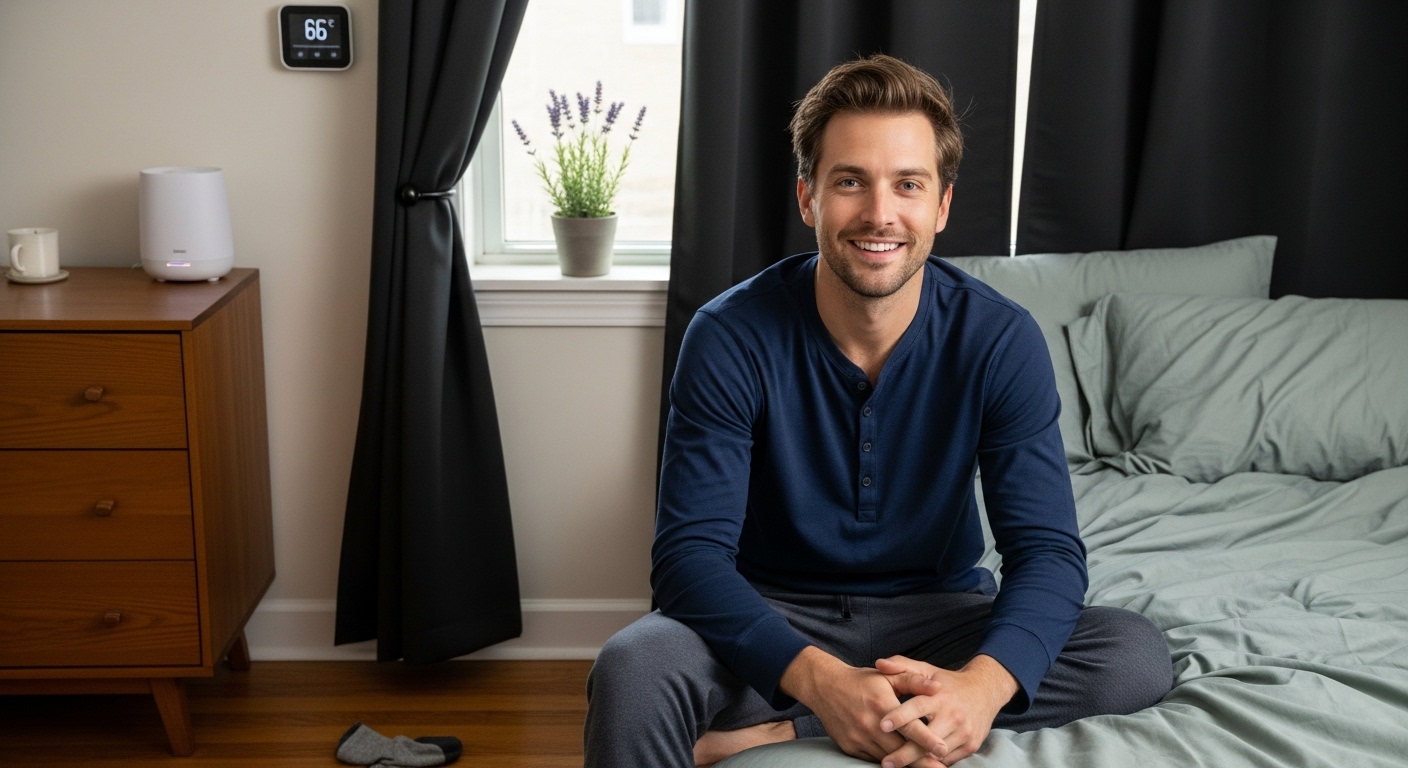
Environmental optimization forms the foundation of quality sleep. Maintain bedroom temperatures in the mid-sixties, as this supports your body's natural core temperature reduction essential for sleep initiation. Create complete darkness to prevent artificial light from suppressing melatonin production - even LED clock lights can disrupt this critical hormone. Noise control through sound machines or earplugs protects against sleep stage disruptions that compromise restorative processes.
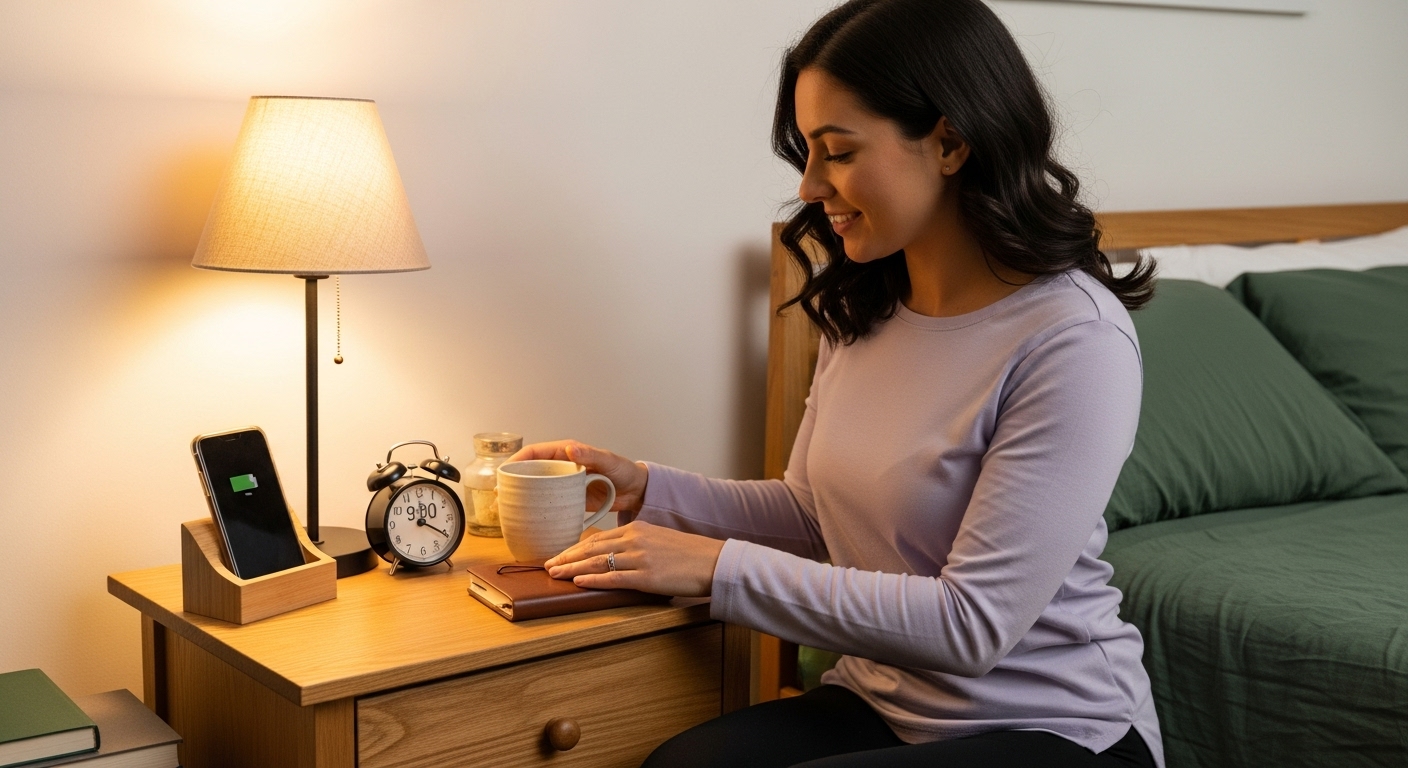
Technology management significantly impacts sleep quality. Eliminate screens at least one to two hours before bedtime, as blue light exposure interferes with melatonin secretion. This digital sunset allows your circadian rhythm to function optimally, supporting the cellular repair processes detailed in previous research.
Strategic timing of meals and substances enhances sleep architecture. Avoid large meals within three hours of bedtime to prevent elevated metabolism and core body temperature that delay sleep onset. Limit caffeine consumption to early afternoon, as it blocks adenosine receptors for up to six hours. While alcohol may initially promote drowsiness, it disrupts deep sleep phases and causes mid-night awakenings after metabolization.
Personalization factors require careful consideration. Age-related changes, including reduced melatonin production and shifted circadian rhythms, necessitate adjusted approaches for older adults. Gender differences in sleep architecture and hormonal influences demand tailored strategies. High-achieving individuals often benefit from consistent sleep schedules that align with their demanding lifestyles while maintaining the seven-hour minimum associated with optimal longevity outcomes.
Regular exercise enhances sleep quality but requires timing consideration - complete vigorous workouts at least three hours before bedtime to allow stress hormone normalization.
Advanced sleep technologies and professional interventions for elite wellness
For discerning wellness enthusiasts seeking optimal sleep performance, cutting-edge sleep technologies and professional interventions represent the frontier of longevity investment. Modern sleep tracking devices utilize advanced polysomnography principles to monitor brain waves, heart rate variability, and breathing patterns, providing unprecedented insights into sleep architecture and recovery cycles.
Environmental control systems have evolved beyond basic temperature regulation. Premium wellness facilities now employ circadian lighting that automatically adjusts color temperature throughout the day, maintaining optimal melatonin production. Advanced air purification systems eliminate toxins that compromise sleep quality, while acoustic engineering creates perfectly silent environments essential for deep sleep phases.
Professional intervention becomes crucial when basic optimization strategies fail to deliver results. Sleep medicine specialists conduct comprehensive evaluations including overnight sleep studies to identify underlying disorders like sleep apnea or periodic limb movement that silently sabotage longevity efforts. These conditions, affecting cardiovascular health and cognitive function, require medical expertise beyond lifestyle modifications.
Luxury wellness clinics integrate sleep optimization into holistic longevity programs, combining medical diagnostics with personalized coaching. Professional sleep coaches work alongside physicians to address complex factors affecting high achievers, from travel-induced circadian disruption to stress-related sleep fragmentation, ensuring sustainable improvements that support long-term health span.
Having established the technological foundation for optimal sleep, the true art lies in seamlessly integrating these practices into a sophisticated lifestyle without compromising professional excellence or social engagement. The most successful individuals understand that sleep optimization isn't about rigid schedules—it's about intelligent adaptation. Travel presents unique challenges for maintaining sleep quality, yet strategic preparation can preserve your circadian rhythm across time zones. Create a portable sleep environment with consistent bedding, blackout eye masks, and noise-canceling headphones. Research shows that bright light exposure upon arrival and strategic melatonin timing can reduce jet lag by up to 50%. Many executive travelers now employ circadian lighting devices that gradually adjust to destination time zones during flights. For those navigating irregular schedules and social obligations, the key is establishing non-negotiable sleep anchors. Even when bedtimes vary, maintain consistent wake times and implement a 90-minute wind-down protocol regardless of when it begins. This approach allows for social flexibility while protecting your sleep architecture. High-stress environments require sophisticated stress management techniques integrated with sleep preparation. Progressive muscle relaxation, heart rate variability training, and guided meditation apps can be seamlessly incorporated into evening routines. Many successful individuals report that dedicating just 10-15 minutes to these practices dramatically improves sleep onset and depth. Luxury wellness retreats have perfected the art of creating immersive sleep optimization experiences through environmental design and personalized protocols. These facilities demonstrate how temperature control (typically 65-68°F), circadian lighting systems, and acoustic optimization can transform sleep quality. The most sophisticated retreats combine sleep studies with lifestyle coaching to create sustainable home implementations. Long-term success requires environmental optimization that reflects your commitment to wellness. Invest in automated blackout systems, whole-home air purification, and bedroom temperature controls. Consider designating your bedroom as a technology-free sanctuary, using analog alarm clocks and charging devices outside the sleep space. The ultimate integration involves viewing sleep as a competitive advantage rather than a limitation. When colleagues sacrifice rest for perceived productivity gains, your commitment to optimal sleep becomes a differentiating factor that enhances cognitive performance, emotional regulation, and creative problem-solving capabilities.Integrating premium sleep practices into a transformative wellness lifestyle