
Understanding the longevity clinic revolution
Longevity clinics represent a fundamental paradigm shift from traditional healthcare's reactive approach to a proactive, preventive model. Unlike conventional medicine that waits for symptoms to appear, these specialized medical practices focus on extending healthspan—the years of life lived in optimal function—rather than simply treating disease after it emerges.
The distinction between healthspan versus lifespan is crucial to understanding this revolution. While lifespan measures total years lived, healthspan emphasizes quality of life and functional capacity. Similarly, longevity clinics assess biological age versus chronological age, using advanced diagnostics to determine how your body is actually aging compared to your birth date.
This market transformation is rapidly accelerating. According to McKinsey's 2024 analysis, the global longevity market is projected to reach $610 billion in 2025, with an annual growth rate of 10.4%. More than 60% of consumers now consider longevity services extremely important, with 70% of U.S. consumers purchasing more longevity-focused products than in previous years.
Early adopters are predominantly wealthy individuals and tech entrepreneurs who view health optimization as an investment. Centers like Northwestern Medicine's Human Longevity Clinic offer comprehensive multi-organ assessments, while Fountain Life provides AI-powered diagnostics and 24/7 concierge care. Love.Life, founded by Whole Foods' John Mackey, combines advanced testing with luxury wellness amenities, charging up to $50,000 annually for unlimited access.
How longevity clinics deliver personalized health optimization
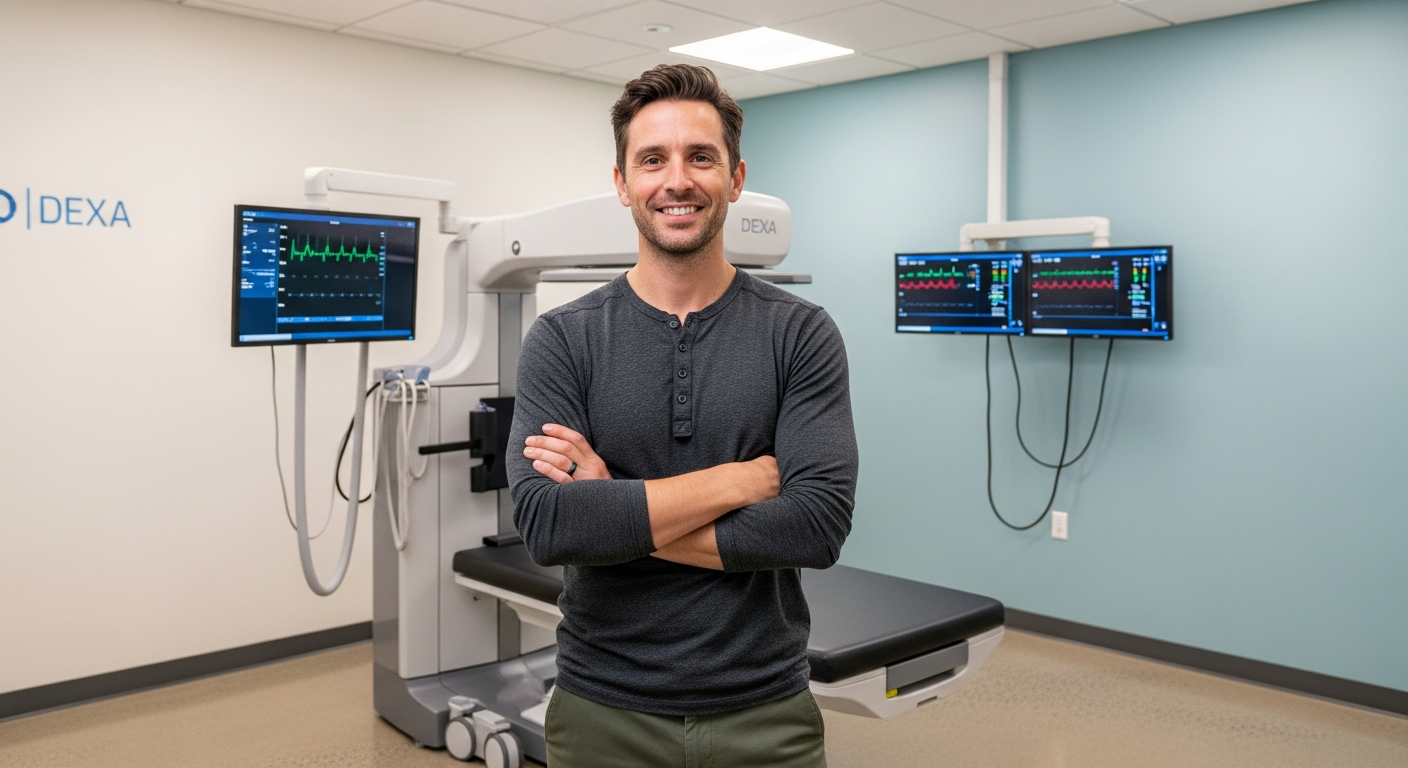
The cornerstone of longevity medicine lies in comprehensive multi-organ assessment that goes far beyond traditional annual physicals. Northwestern Medicine's Human Longevity Clinic exemplifies this approach through a systematic evaluation spanning multiple physiological systems during a single half-day visit.
The assessment begins with an extensive biomarker analysis covering over 270 markers across nine physiological systems. This includes advanced cardiovascular markers like apolipoprotein B (ApoB) and lipoprotein(a), inflammatory indicators such as high-sensitivity C-reactive protein, and metabolic assessments including hemoglobin A1c for long-term blood sugar evaluation. These comprehensive labs reveal patterns that standard physicals routinely miss.
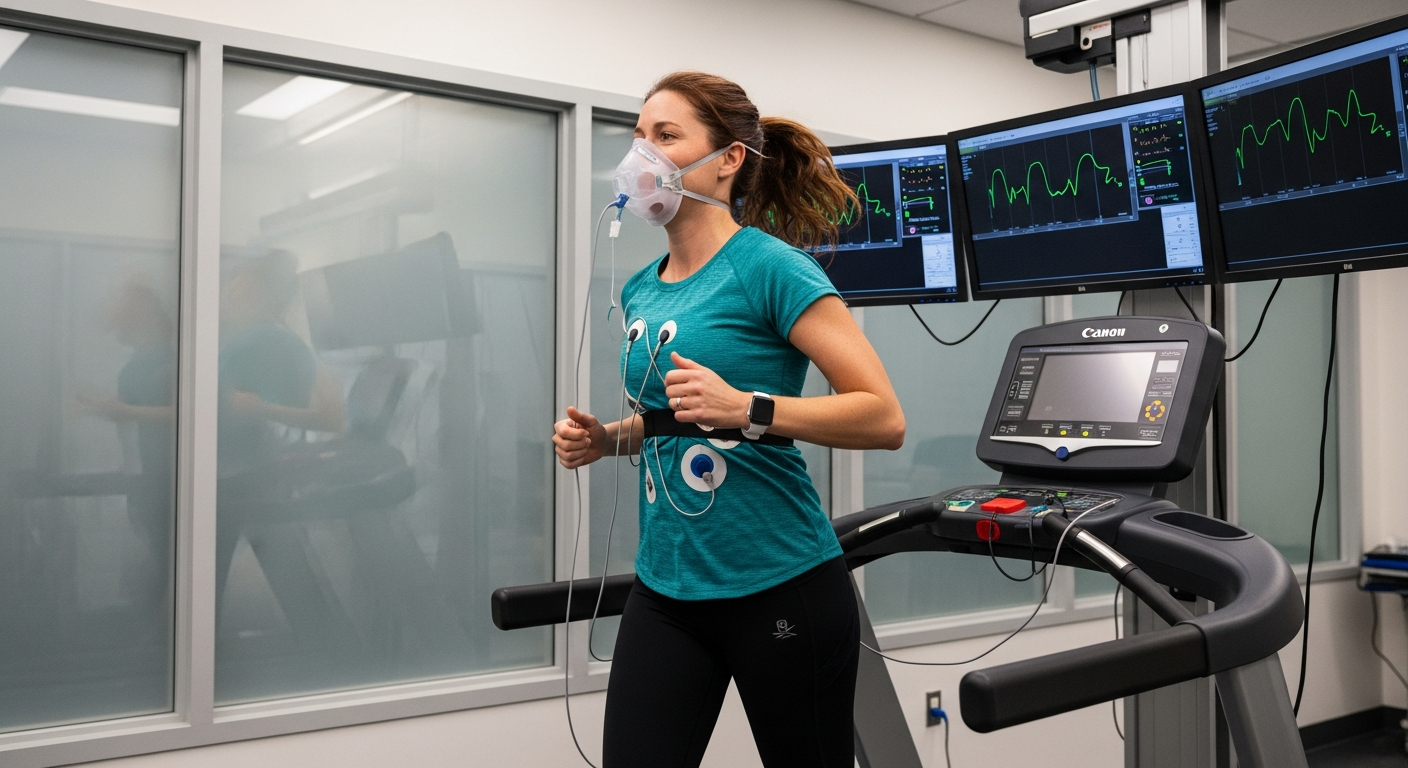
Body composition analysis through DEXA scanning provides detailed insights into fat distribution, particularly visceral fat accumulation associated with chronic inflammation and accelerated aging. Simultaneously, cardiopulmonary assessments measure VO2 max as an optimal indicator of cardiovascular fitness, while spirometry tests evaluate lung capacity and function.
Advanced diagnostics include epigenetic clocks that analyze DNA methylation patterns to estimate biological age, distinguishing between chronological age and actual cellular aging. AI-powered analysis of electrocardiogram data and retinal imaging provides additional aging markers through machine learning algorithms.
The multidisciplinary care team approach ensures comprehensive interpretation of these results. Licensed physicians specializing in longevity medicine review findings alongside exercise physiologists who design personalized fitness protocols based on individual cardiovascular and strength data. Registered dietitians create nutrition plans targeting specific metabolic needs identified through biomarker analysis.
Follow-up protocols include detailed consultation visits where physicians provide personalized insights and lifestyle recommendations. Six-month repeat testing tracks progress across key markers, while ongoing monitoring through wellness platforms enables continuous optimization of health protocols based on measurable biological changes.
Services and treatments offered at leading longevity centers
Leading longevity centers distinguish themselves through comprehensive service offerings that span five core treatment areas, each designed to optimize different aspects of health and aging. These integrated programs go far beyond traditional medical care, combining cutting-edge diagnostics with luxury amenities to create a holistic wellness experience.
Advanced Imaging for Early Detection
Full-body MRI scans represent the cornerstone of longevity clinic imaging services, providing detailed views of organs and tissues to detect abnormalities years before symptoms appear. Low-dose CT scans focus specifically on lung health, while AI-enhanced retinal imaging can reveal systemic conditions through blood vessel analysis. These comprehensive imaging protocols enable personalized treatment plans based on individual risk profiles rather than reactive care.
Genetics and Biomarkers for Precision Medicine
Longevity centers utilize whole genome sequencing and extensive biomarker panels analyzing 120+ health indicators spanning metabolic, hormonal, cardiovascular, and inflammatory markers. Advanced testing includes apolipoprotein B (ApoB) for cardiovascular risk, lipoprotein(a) for inherited lipid disorders, and high-sensitivity C-reactive protein for inflammation assessment. This genetic and biomarker data creates the foundation for truly personalized treatment protocols.
Functional Performance Assessments
Physical and cognitive optimization programs include VO2 max testing for cardiovascular fitness, grip strength measurements, balance assessments, and neurocognitive evaluations. Advanced facilities like Love.Life incorporate OxeFit machines with digital avatars for real-time form analysis and performance tracking. These assessments establish baselines for strength, mobility, and cognitive function essential for healthy aging.
Regenerative Therapeutics and Disease Prevention
Therapeutic plasma exchange, adult stem cell treatments, and blood filtration systems address aging at the cellular level. PEMF (pulsed electromagnetic field) therapy stimulates cell repair and recovery, while NAD+ infusions support cellular energy production. Red light therapy beds provide full-body collagen stimulation and potential anti-inflammatory benefits.
Aesthetic and Wellness Integration
Longevity centers integrate aesthetic treatments like microneedling, dermal fillers, and personalized facials within comprehensive wellness programs. Luxury amenities include lymphatic compression therapy (Ballancer Pro), infrared saunas, hyperbaric oxygen chambers, and cold plunge facilities. Many centers feature on-site spas, healthy cafes, and concierge services providing 24/7 access to healthcare professionals.
This multi-faceted approach creates an environment where advanced medical diagnostics seamlessly blend with luxury wellness experiences, setting these facilities apart from traditional medical practices through their comprehensive, preventive focus on optimizing both lifespan and healthspan.
Evaluating costs, benefits, and real-world outcomes
Understanding the financial investment required for longevity clinic services is crucial when making this healthcare decision. Costs vary dramatically across providers, ranging from basic assessments to comprehensive annual memberships that rival luxury car payments.
At the entry level, Function Health offers diagnostic assessments for $499 annually, while Extension Health charges $999 for their comprehensive package including DEXA scans and VO2 Max testing. More extensive programs command significantly higher fees: Love.Life's baseline assessment costs $1,500, their Optimize membership runs $9,000 annually, and their white-glove Unlimited membership reaches $50,000 per year. For context, one writer's single-day comprehensive visit would have cost $2,370.
The question of value becomes clearer when examining measurable outcomes from established programs. Cenegenics, operating for 29 years with over 50,000 members, provides compelling data: members achieved an average biological age reversal of 2.6 years per year on the program, as measured by PhenoAge epigenetic markers. Additionally, cardiovascular fitness improved with VO2 max gains of 10.1% in men and 7.1% in women over 15 months, while 77% of members improved their comprehensive health scores in year one.
The benefits include advanced diagnostics that standard physicals miss - like detecting hormone imbalances in 99% of new members over 40, or identifying elevated estrogen levels that routine care wouldn't catch. Personalized protocols, continuous monitoring, and early disease detection represent significant advantages over reactive healthcare models.
However, substantial drawbacks limit accessibility. High costs restrict these services to wealthy individuals, limited regulation creates quality variations, and experimental treatments carry unknown risks. The field lacks standardization, and many programs operate outside mainstream medical systems without academic oversight.
The value proposition ultimately depends on your health goals, financial capacity, and risk tolerance for emerging medical approaches.
Choosing the right longevity clinic for your needs
Given the significant investment required, selecting the right longevity clinic demands careful evaluation using a systematic framework. The quality and legitimacy of these clinics vary dramatically, making due diligence essential for both your health and financial wellbeing.
Essential Evaluation Framework
When evaluating any longevity clinic, ask these critical questions about physician oversight: Is a licensed physician leading your care, or is it delegated to nurse practitioners or health coaches? Does the physician specialize in longevity medicine, hormonal health, or metabolic medicine, rather than offering this as a side service?
Diagnostic depth separates legitimate clinics from wellness centers. Serious programs analyze 100+ biomarkers across multiple physiological systems, not just standard blood panels. Northwestern Medicine's Human Longevity Clinic, for example, conducts comprehensive assessments spanning cardiovascular, neurocognitive, musculoskeletal, and molecular systems including epigenetic clocks and AI-based analyses.
Examine the evidence base supporting their protocols. Are treatments grounded in peer-reviewed research? Can the clinic provide published outcomes data from their own patient population? Cenegenics publishes transparent data showing 2.6 years biological age reversal annually among members, demonstrating the kind of evidence-based approach to seek.
Ongoing monitoring capabilities distinguish comprehensive programs from one-time assessments. Quality clinics include regular biomarker retesting, protocol adjustments based on response data, and continuous care coordination rather than isolated interventions.
Leading Global Longevity Clinics
Fountain Life operates across Texas, Florida, and New York, offering advanced diagnostics including full-body MRIs, genetic testing, and AI-powered assessments. Their emphasis on early disease detection and personalized wellness programs sets them apart in the U.S. market.
Clinique La Prairie in Switzerland represents the luxury end of longevity medicine, combining cellular therapy treatments with comprehensive wellness programs in a serene Lake Geneva setting. Their nearly century-long experience provides credibility, though accessibility remains limited to high-net-worth individuals.
Lanserhof Lans spans multiple European locations, integrating traditional medicine with modern techniques. Their holistic approach emphasizes detoxification, regeneration, and stress reduction through standardized protocols across facilities.
Key Credentials and Clinical Oversight
Look for clinics with board-certified physicians in relevant specialties such as endocrinology, cardiology, or anti-aging medicine. The physician should be actively involved in your care, not merely supervising from a distance. Academic affiliations strengthen credibility - Northwestern Medicine's clinic, for instance, leverages university research infrastructure.
Integration with academic research indicates commitment to evidence-based practice. Clinics conducting or participating in peer-reviewed studies demonstrate scientific rigor beyond marketing claims. The International Peptide Society leadership, as seen with Life Time's Jim LaValle, exemplifies the kind of research engagement that elevates clinical practice.
Critical Red Flags to Avoid
Avoid clinics that make extraordinary longevity claims without supporting data, rely primarily on supplement sales for revenue, or lack licensed physician oversight. Be wary of programs promising specific age reversal timelines or guaranteed outcomes - legitimate medicine involves individual variability and honest uncertainty.
Clinics operating outside medical standards, refusing to share protocols, or avoiding integration with your existing healthcare providers present significant risks. The field's relative lack of regulation means patients must be particularly vigilant about credentials and scientific backing.
Accessibility and Future Developments
Current longevity clinics primarily serve affluent populations, with programs ranging from $5,000 to over $100,000 annually. This accessibility challenge limits the public health impact of potentially valuable interventions.
Future developments may improve accessibility through technological advances reducing testing costs, partnerships with traditional healthcare systems, and insurance coverage for proven preventive interventions. Some clinics are exploring tiered service models and virtual monitoring to expand reach.
The field's maturation will likely bring standardized protocols, regulatory frameworks, and integration with conventional medicine - potentially making longevity-focused care more widely available and clinically validated.