
What is the longevity diet and why it revolutionizes anti-aging nutrition
The longevity diet represents a groundbreaking approach to nutrition developed by renowned biochemist Dr. Valter Longo after more than 25 years of dedicated research on aging and cellular regeneration. Unlike traditional diets that focus primarily on weight loss, this revolutionary eating pattern targets the fundamental mechanisms of aging at the cellular level.
Dr. Longo's approach is built upon five pillars of longevity research that provide its scientific foundation: juventology research (the study of staying young), epidemiology studies of long-lived populations, rigorous clinical studies, centenarian studies examining the dietary patterns of people who live beyond 100, and complex systems analysis that integrates multiple research methodologies.
The diet's core innovation lies in combining a pescatarian everyday eating pattern with strategic fasting-mimicking protocols. This means following a primarily plant-based diet with limited fish consumption, while periodically implementing five-day fasting-mimicking cycles that trigger cellular repair and regeneration without the extreme deprivation of traditional fasting.
The global recognition of this approach is evidenced by its translation into 25 languages and availability in 39 countries. This worldwide adoption reflects the diet's scientifically-backed methodology that moves beyond conventional nutritional thinking to address aging as a modifiable biological process rather than an inevitable decline.
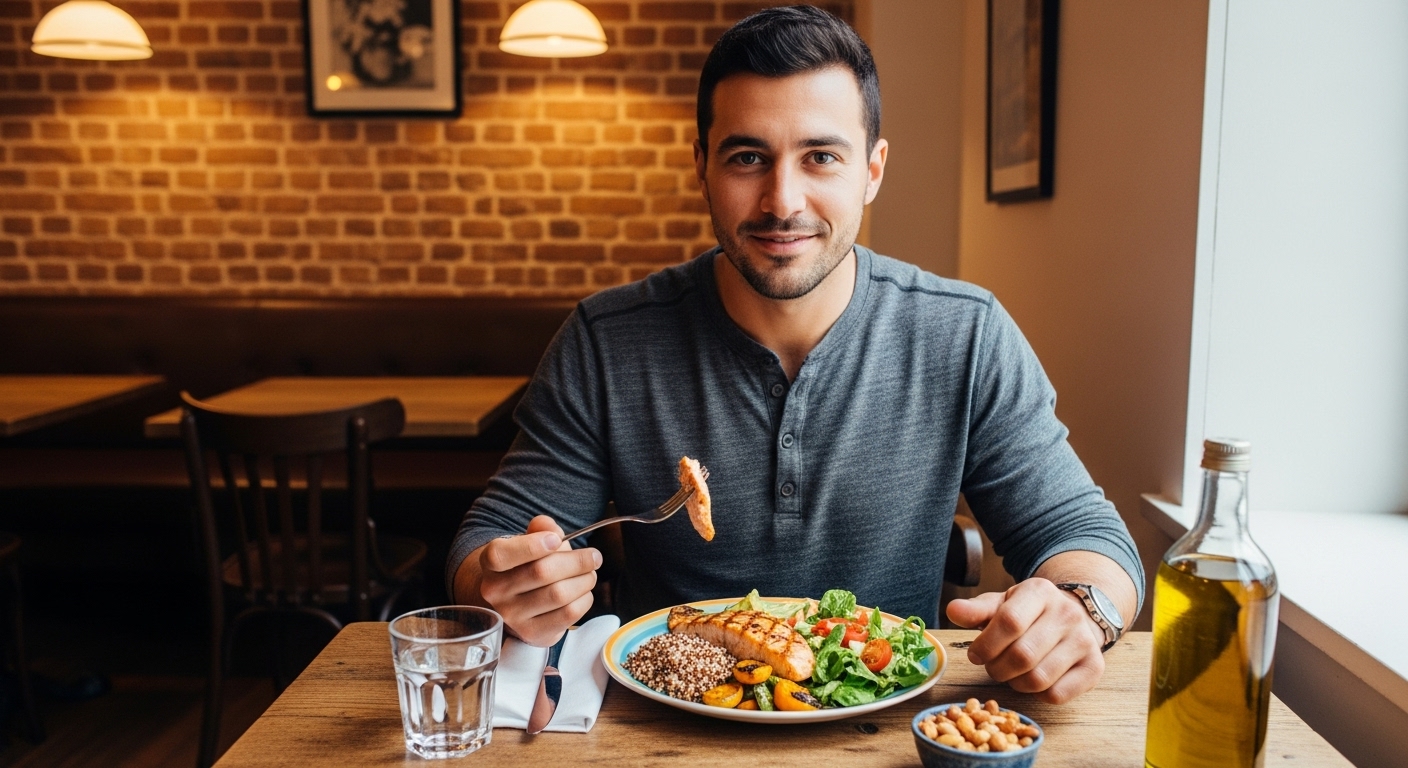
How the longevity diet activates stem cells and promotes cellular regeneration
The longevity diet's transformative effects stem from its ability to trigger cellular regeneration mechanisms that naturally decline with age. Dr. Longo's research reveals how specific macronutrient ratios—low protein, moderate healthy fats, and complex carbohydrates—activate autophagy, the body's cellular cleaning process that removes damaged components and promotes renewal.
The diet's stem cell activation occurs through carefully orchestrated nutritional signals. When protein intake is restricted to 0.31-0.36 grams per pound of body weight for adults under 65, it triggers growth hormone pathways that stimulate stem cell production. This process differs fundamentally from simple calorie restriction by targeting specific biological pathways rather than merely reducing overall energy intake.
The fasting-mimicking diet component represents the protocol's most powerful regenerative tool. During 5-day cycles implemented 2-4 times yearly, participants consume 800-1,100 calories daily with precise ratios: 45% fats, 10% protein, and 30% carbohydrates. This approach mimics fasting's benefits while maintaining nutritional support.
Clinical trials demonstrate remarkable results: reduced risk factors for diabetes, cancer, Alzheimer's, and cardiovascular disease. In mice studies, Longo observed organ regeneration and extended lifespan. Human participants showed improved metabolic markers, reduced inflammation, and enhanced cellular repair mechanisms—evidence that proper nutrition can literally turn back the biological clock at the cellular level.

Complete longevity diet guidelines: what to eat and when
Dr. Valter Longo's longevity diet operates on seven core principles that transform how we approach daily nutrition. The foundation centers on a mostly vegan diet supplemented with fish 2-3 times weekly, emphasizing high-omega-3 options like salmon, sardines, and anchovies while avoiding high-mercury varieties.
Protein requirements vary significantly by age. Adults under 65 should limit intake to 0.31-0.36 grams per pound of body weight—approximately 40-47 grams daily for a 130-pound person. Those over 65 require slightly more protein, incorporating fish, eggs, and goat-derived products to preserve muscle mass. Legumes serve as the primary protein source across all age groups.
The diet minimizes saturated fats and sugar while maximizing good fats and complex carbohydrates. Daily recommendations include 3 tablespoons of olive oil, 1 ounce of nuts, and abundant vegetables with whole grains. High vitamin and mineral content requires supplementation with multivitamins every three days.
Meal timing follows strategic patterns based on weight status. Overweight individuals consume two meals plus two low-sugar snacks within a 12-hour window, while normal-weight adults eat three meals plus one snack. All eating must occur within this 12-hour timeframe, ending 3-4 hours before bedtime to optimize cellular repair processes.
Proven health benefits and clinical research outcomes
The longevity diet's health benefits are supported by substantial peer-reviewed research demonstrating significant improvements across multiple health markers. A landmark 2016 study published in JAMA Internal Medicine analyzed over 130,000 healthcare professionals and revealed that high plant protein intake was inversely associated with all-cause and cardiovascular mortality, particularly among individuals with lifestyle risk factors.
Dr. Longo's clinical trials on fasting-mimicking diets have shown remarkable results. The 2017 study in Science Translational Medicine documented reductions in body weight, blood pressure, and glucose levels among participants following the five-day fasting protocol. Additional research published in 2022 demonstrated that circadian-aligned caloric restriction promoted longevity in animal models, suggesting potential human applications.
The diet's impact on cancer risk reduction is particularly noteworthy. Research published in BMC Medicine found that individuals consuming meat five times or less per week had lower overall cancer risk compared to higher meat consumers. The anti-inflammatory effects of the primarily plant-based approach contribute to this protective benefit.
Perhaps most compelling is the potential for 3-13 years of increased life expectancy when replacing typical Western dietary patterns with nutrient-rich whole foods. This projection, based on population studies of blue zones and centenarian communities, represents one of the most significant longevity interventions available through lifestyle modification alone.
Integrating longevity nutrition into luxury wellness programs
Luxury wellness clinics are pioneering the integration of Dr. Valter Longo's longevity diet principles into comprehensive anti-aging programs, creating synergy between cutting-edge nutrition science and premium healthcare experiences. These elite facilities recognize that the proven cardiovascular and metabolic benefits of plant-based nutrition require sophisticated implementation strategies.
High-end wellness centers provide essential professional oversight for fasting-mimicking protocols, particularly crucial for clients with underlying health conditions or those taking medications. Board-certified physicians and registered dietitians collaborate to customize the 5-day FMD cycles, ensuring safe implementation while maximizing the regenerative benefits documented in clinical research.
The luxury wellness environment excels at supporting lifestyle transitions through chef-prepared meals that align with longevity diet guidelines. Expert culinary teams create plant-forward menus featuring omega-3 rich seafood, complex carbohydrates, and precisely measured portions that meet the 0.31-0.36 grams protein per pound recommendations for optimal cellular health.
Premium wellness programs integrate continuous nutritional monitoring with advanced diagnostics, tracking biomarkers like glucose levels, inflammatory markers, and body composition changes. This data-driven approach allows for real-time adjustments to optimize the longevity diet's impact on stem cell activation and metabolic rejuvenation.