
What makes longevity clinics different from traditional healthcare
Longevity clinics represent a revolutionary shift in healthcare philosophy, fundamentally departing from traditional medicine's reactive approach. Unlike conventional medical facilities that focus on treating diseases after they manifest, longevity medicine embraces what experts call "prevention of prevention" – identifying and addressing health risks before they even develop into clinical conditions.
This paradigm shift is driven by compelling demographic trends. According to WHO statistics, the world's population aged 60 years and older will double to 2.1 billion by 2050, with those over 80 expected to triple to 426 million. This aging tsunami demands innovative healthcare solutions that extend not just lifespan, but more importantly, healthspan – the period of life spent in good health and vitality.
Traditional medicine operates on a disease-treatment model, where healthcare providers intervene after symptoms appear. Longevity clinics flip this script entirely, utilizing aging clocks and biomarkers from healthy individuals to assess biological age versus chronological age. While primary prevention focuses on disease-associated biomarkers, longevity medicine analyzes data from practically healthy people to enable precise early interventions.
The core philosophy centers on optimization rather than treatment. As one longevity clinic framework explains, these facilities take a "systems-based view, addressing age-related changes and physiological decline in a more integrated way." Rather than managing symptoms, they target root causes of aging through personalized strategies that enhance resilience and support optimal function.
Unlike wellness centers or traditional medical facilities, longevity clinics combine cutting-edge biotechnology with evidence-based preventive strategies. They offer comprehensive health assessments using advanced diagnostics, genetic testing, and biomarker analysis to create truly personalized treatment plans. This proactive approach enables practitioners to create targeted, long-term strategies that enhance vitality and promote healthy aging, moving beyond short-term symptom relief to sustained optimization over time.
The science behind longevity medicine and diagnostic frameworks
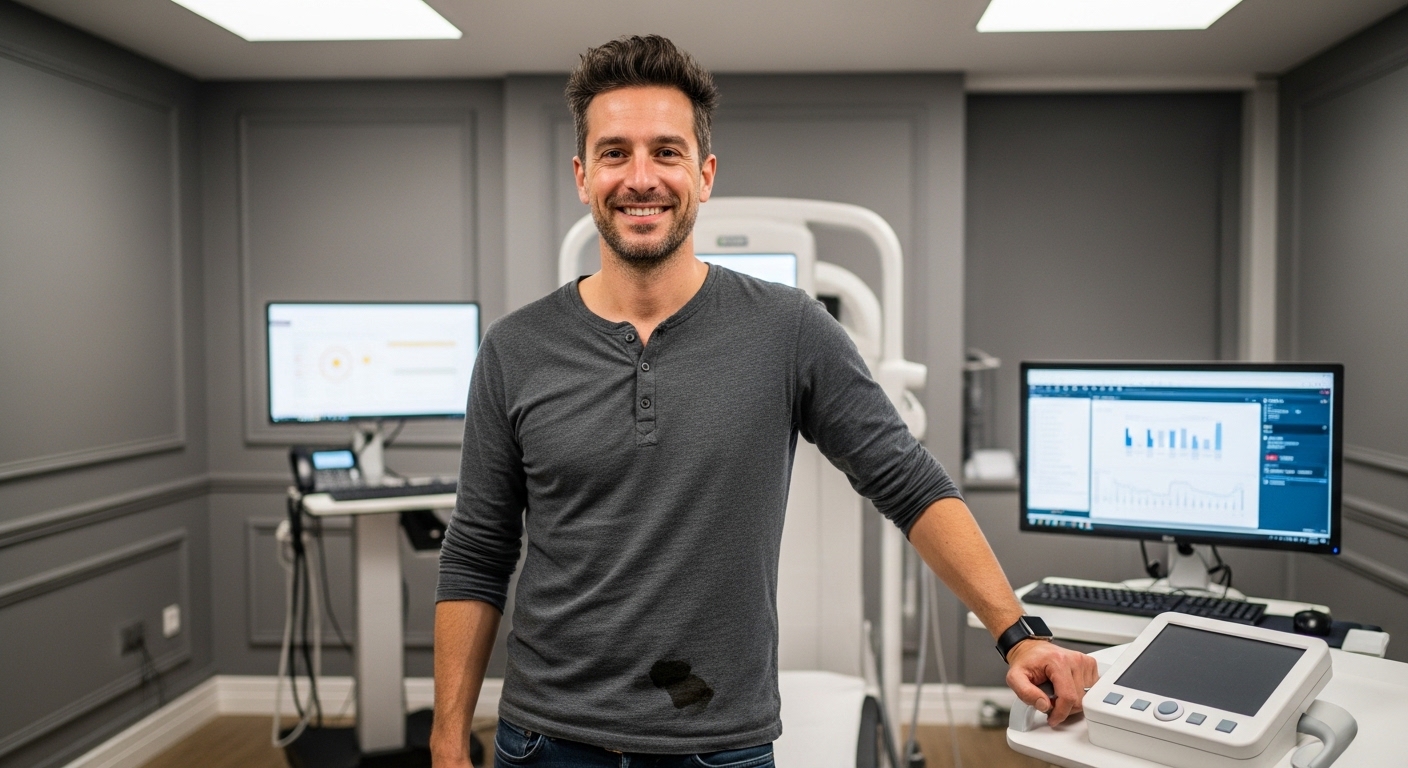
The technological foundation of longevity clinics centers on the Analytical Center, which serves as the operational brain orchestrating data collection, processing, and analysis. This sophisticated system integrates multiple data sources including Electronic Health Records (EHRs), Laboratory Information Systems (LIS), medical imaging platforms, and wearable devices to create comprehensive patient profiles.
The framework employs advanced data processing algorithms including clustering algorithms like K-means and hierarchical clustering to group patients with similar health profiles. Classification algorithms such as decision trees and support vector machines predict patient outcomes, while time series analysis methods monitor health trends over time. Anomaly detection algorithms identify unusual patient cases or potential health risks requiring immediate attention.
Central to this approach is the three-level patient routing system. Level 1 focuses on remote monitoring through wearable devices and telemedicine, enabling 24/7 patient contact worldwide. Level 2 provides comprehensive in-clinic diagnostics using advanced technologies like whole-body MRI scans and biomarker analysis. Level 3 conducts individualized scientific studies for complex cases, utilizing AI-driven data analysis and multi-omics profiling.
The comprehensive health profiling process encompasses genetic testing, epigenetic analysis, and metabolic profiling. Biological age clocks, including DNA methylation clocks and telomere length analysis, provide crucial insights into cellular aging processes. These tools assess biological age versus chronological age, enabling targeted interventions based on individual aging patterns.
Advanced diagnostics incorporate multi-omics profiling, examining genomics, proteomics, and metabolomics simultaneously. Wearable devices continuously monitor vital signs, sleep patterns, and activity levels, feeding real-time data into predictive analytics models. This integrated approach enables personalized treatment recommendations based on sophisticated pattern recognition and machine learning algorithms.

Comprehensive services and cutting-edge treatments offered
Building upon the sophisticated diagnostic frameworks, luxury longevity clinics deliver an unprecedented array of services that span from evidence-based medicine to experimental interventions. These comprehensive programs are meticulously tailored to each individual's biological profile and health optimization goals.
Advanced diagnostic programs form the cornerstone of longevity care. Whole-body MRI scans provide detailed imaging to detect early-stage diseases, while comprehensive genetic sequencing analyzes DNA markers for disease predispositions and optimal treatment responses. Extensive blood panels evaluate hundreds of biomarkers including inflammatory markers, metabolic indicators, and hormonal profiles. Cognitive assessments using advanced neurological testing help identify early signs of cognitive decline and optimize brain health strategies.
The treatment modalities integrate traditional therapies with cutting-edge interventions. Bioidentical hormone replacement therapy restores optimal hormonal balance, addressing age-related decline in testosterone, estrogen, and growth hormone levels. IV therapy protocols deliver targeted nutrients directly into the bloodstream, with NAD+ infusions supporting cellular energy production and vitamin cocktails enhancing immune function and recovery.
Regenerative medicine represents the frontier of longevity treatments. Stem cell therapies harness the body's natural repair mechanisms, while peptide therapy utilizes specific amino acid sequences to enhance muscle growth, cognitive function, and cellular repair processes. Experimental approaches include senolytic treatments that selectively remove aging cells, and therapeutic plasmapheresis which has shown promising results in reducing aging biomarkers.
Lifestyle interventions are equally sophisticated, featuring personalized nutrition plans based on genetic markers and metabolic profiles. Exercise protocols are customized using bioimpedance analysis and functional assessments, while stress management incorporates mindfulness techniques and biofeedback monitoring.
The integration of traditional evidence-based treatments with experimental therapies creates comprehensive care plans. Each treatment protocol is continuously refined based on real-time biomarker feedback and patient response, ensuring optimal outcomes in the pursuit of enhanced healthspan and vitality.
Proven health benefits and transformative outcomes
The measurable outcomes from luxury longevity clinics demonstrate transformative health improvements that extend far beyond traditional healthcare metrics. Clinical data reveals significant reductions in biological age markers, with some patients experiencing a 5-15 year decrease in their biological age compared to chronological age through comprehensive intervention programs.
Early disease detection capabilities represent one of the most valuable benefits, with advanced diagnostics identifying cardiovascular risks, metabolic dysfunction, and cancer markers years before symptoms appear. This proactive approach enables targeted interventions that can prevent chronic conditions from developing, potentially saving both lives and substantial healthcare costs.
Patients consistently report dramatic improvements in energy levels, cognitive function, and metabolic health. Enhanced mitochondrial function leads to increased vitality, while hormone optimization restores mental clarity and physical performance. Many executives and high-performers find their productivity and decision-making capacity significantly enhanced through these interventions.
The economic benefits are equally compelling, with prevention-focused care reducing long-term healthcare expenditure by an estimated 30-50% through early intervention and disease prevention. Health-conscious individuals with family histories of chronic diseases particularly benefit from genetic testing and personalized prevention strategies that can alter their health trajectory.
The concept of 'active longevity' - maintaining peak physical and cognitive performance well into advanced age - becomes achievable through these comprehensive approaches, enabling individuals to sustain their quality of life and professional capabilities for decades longer than traditional aging patterns would suggest.
How to choose the right longevity clinic and what to expect
Selecting the right longevity clinic requires careful evaluation of multiple factors to ensure you receive safe, evidence-based care. Start by examining the medical credentials of the team – reputable clinics are led by certified medical doctors with specialized training in functional or integrative medicine, not just wellness practitioners.
Assess the clinic's technology capabilities and diagnostic tools. Leading facilities offer comprehensive testing including genetic analysis, advanced imaging, metabolic profiling, and biomarker assessment that goes far beyond standard blood panels. Look for clinics that utilize AI-powered analytics and maintain robust data processing systems for personalized treatment development.
Understanding the Financial Investment
Longevity clinic costs vary significantly based on services and personalization levels. Initial comprehensive assessments typically range from $5,000 to $25,000, while ongoing annual programs can cost $10,000 to over $100,000. Most services are not covered by traditional insurance since they focus on preventive optimization rather than disease treatment.
During your consultation process, expect extensive health questionnaires, detailed medical history reviews, and discussions about your specific goals. The best clinics provide clear communication about test results and translate complex data into actionable insights rather than overwhelming you with medical jargon.
Essential Questions and Red Flags
Ask potential clinics about their scientific backing, peer-reviewed research involvement, and collaboration with academic institutions. Inquire about their approach to experimental treatments and how they handle adverse effects. Be wary of facilities making unrealistic promises or pushing expensive treatments without thorough evaluation.
Remember that longevity clinics should complement, not replace, your primary care physician. Maintain your traditional healthcare relationships while using longevity medicine for proactive optimization and prevention strategies.